Essential Workplace Safety Practices for Managing Fire and Explosion Hazards Effectively
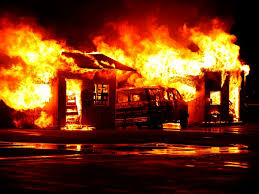
The DSEAR assessment is an important process that is employed to recognise and manage the risks posed by dangerous substances at the workplace. It is concerned with the prevention of fires, explosions and other risky events that can be caused by flammable gases, vapours, dust or liquids. This organised assessment enables organisations to be aware of possible ignition sources, as well as how dangerous materials react in their environment. Through an adequate DSEAR audit, companies create a strong roadmap on how to operate safely and stay within the regulations.
The process involves identifying hazardous materials and potential igniting materials.
A proper assessment entails proper identification of all the hazardous materials in a plant. This involves chemicals, fuels, solvents and even fine dust particles, which can be combustible given some circumstances. Together with this, possible ignition sources, including electrical equipment, open fires, release of static discharge and hot surfaces, must also be checked. The cognisance of how such factors co-exist allows the safety teams to foresee any potential welfare issues of fire or explosion.
A DSEAR risk assessment is a methodical management of hazards.
A DSEAR risk assessment goes even further to analyse the magnitude of risk that is being received by the identified hazards. It assesses the probability of an incident and how devastating the incident can be. This enables organisations to focus on control measures, as well as allocate resources effectively. Workplaces can achieve high levels of minimising the chances of dangerous incidents by acting on the discoveries of a clear risk assessment, thereby providing safety to employees and assets.
This is achieved by assessing the work processes and working practices.
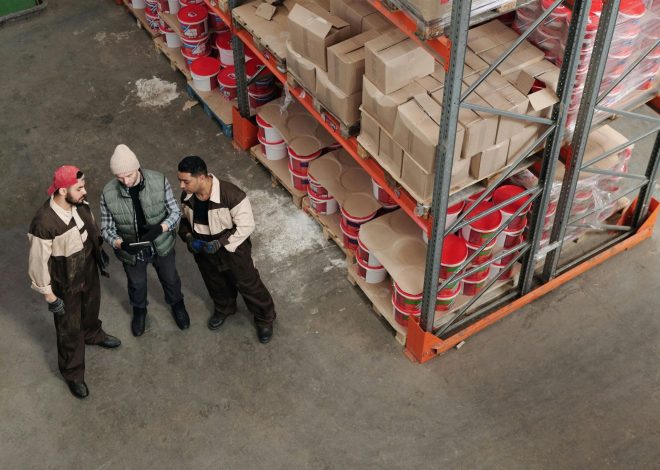
Hazardous workplace conditions may arise from chemical mixing, fuel movement, or machinery use. These operational processes are reviewed by a detailed risk assessment to identify the potential locations of risks. It also studies how workers interact with equipment and substances in their daily tasks. Such analysis assists in devising more secure processes and reducing the human factor, which frequently is a central cause of accidents in the workplace.
The assessment findings inform the installation of control measures.
After finding the hazards, the DSEAR assessment will inform the practical control measures. These can be better ventilation, explosion-proof equipment, good storage facilities and correct handling methods. The aim is to do away with or minimise the occurrence of the sources of ignition and restrict the build-up of combustible materials. A high quality of work is achieved through the development of effective control strategies that are based on a clear assessment.
A dear risk assessment facilitates a constant tracking habit.
Safety cannot be just a one-time activity but a continuous activity. A clear risk assessment promotes routine work site observation and appraisal of the workplace. Since processes are evolving or new substances are being added, the assessment has to be revised. In a continuously monitored system the safety practice will not be outdated and thus will be effective in averting dangerous occurrences.
Changing safety plans to changing work situations.
New technologies, equipment, and new ways of operation are always changing the work environments. The peer evaluation should also change with these changes in order to be effective. The revisit of safety strategies makes it possible to discover new risks and address them in a timely manner. Such flexibility keeps organisations ready in case of any hazard before it becomes a serious occurrence.
Conclusion
Any workplace which handles flammable or explosive material requires a systematic method of identifying and controlling the hazards. Dear assessment and dear risk assessment enable organisations to be proactive in risk management, enhance the safety of employees and be compliant with regulations. Companies that need professional advice in the field are offered an opportunity to use the services of safetyfirstgroup.co.uk and make sure that the safety plan is full and that hazards are controlled in the most efficient way.