
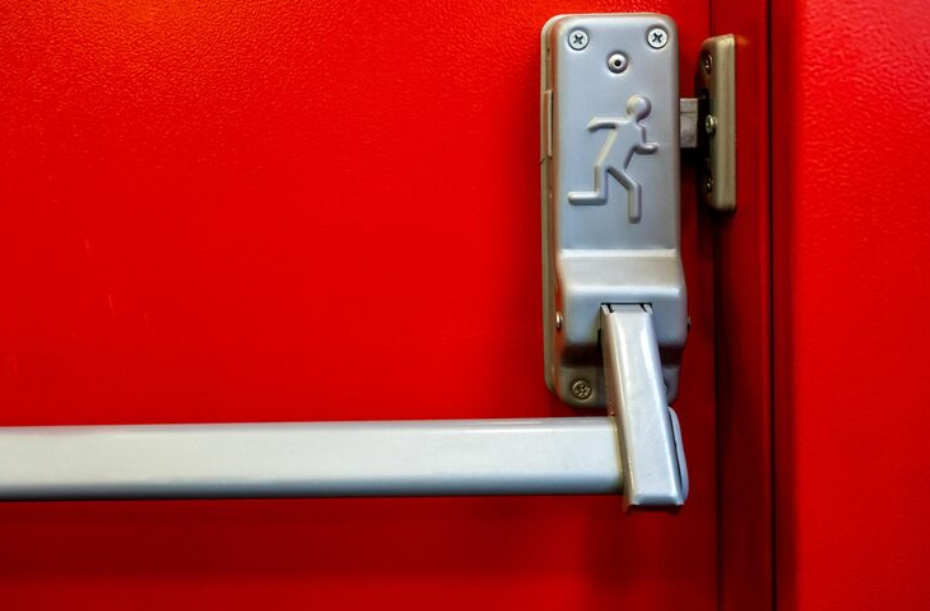
How Fire Rated Door Hardware Helps Keep Your Facility Safer
Fire safety is an important part of protecting any facility, whether it is an office, school, healthcare building, warehouse, or commercial property. Doors play a major role in slowing the spread of fire and smoke, but their performance depends on more than the door itself. Properly selected fire rated door hardware helps fire doors operate as intended during an emergency. From hinges and locks to closers and latches, each component supports the overall safety of the building.
Supports Fire Door Performance
Fire-rated doors are designed to resist fire and help contain it within a specific area for a certain period. However, a door can only provide this protection when its hardware is suitable for fire-rated use. Fire rated door hardware is designed to work with fire doors and support their ability to close and remain secure when exposed to high temperatures.
Using the right hardware helps ensure that the complete door assembly performs according to its intended rating. This can give people more time to leave the building and allow emergency personnel to respond.
Helps Control the Spread of Fire and Smoke
During a fire, smoke can spread quickly through hallways, stairwells, and other connected areas. Fire doors help create barriers that slow this movement. Hardware such as door closers and latching devices helps keep these doors properly closed when they are needed.
When fire rated door hardware is installed correctly, it helps the door close and latch securely. This reduces the chance of a fire door being left partially open, which could allow smoke and flames to move more easily between areas.
Improves Emergency Safety
In an emergency, every second matters. Proper door hardware helps maintain the function of fire doors while also supporting safe movement throughout a facility. Hardware should allow doors to operate smoothly during normal use while still providing the necessary protection during a fire.
Reliable fire rated door hardware can also help reduce problems caused by worn, damaged, or unsuitable components. Regular inspection and maintenance are important to ensure that doors and their hardware remain ready for an emergency.
Helps Meet Fire Safety Requirements
Facilities often need to follow local building codes, fire safety standards, and other requirements. Fire doors and their hardware may need to meet specific performance criteria based on where they are installed and how the building is used.
Choosing appropriate fire rated door hardware can help facility managers maintain compliant door assemblies. It is important to check the requirements that apply to the property and select hardware that is compatible with the specific fire door system.
Supports Long-Term Facility Protection
Fire safety is not only about preparing for emergencies. It also involves maintaining important safety equipment over time. Door hardware can experience regular wear because doors may be opened and closed many times each day.
Routine inspections can help identify loose screws, damaged hinges, faulty closers, or other problems before they affect door performance. Replacing unsuitable or damaged fire rated door hardware can help maintain the reliability of the fire door system.
Choose Hardware Carefully
Not every door component is suitable for use with a fire-rated door. Facility managers should consider the door’s rating, location, usage, and compatibility requirements when selecting hardware. Professional installation can also help ensure that each component is fitted correctly and functions as intended.
Taking time to select the right fire rated door hardware can strengthen a facility’s overall approach to fire protection and reduce avoidable safety concerns.
Conclusion
Fire doors are an important part of a facility’s fire protection strategy, but their effectiveness depends on the complete door assembly. Fire rated door hardware helps doors close, latch, and function properly when protection is needed most. By choosing compatible hardware, maintaining it regularly, and addressing problems promptly, facility owners and managers can help create a safer environment for occupants and support better fire protection throughout the building.