
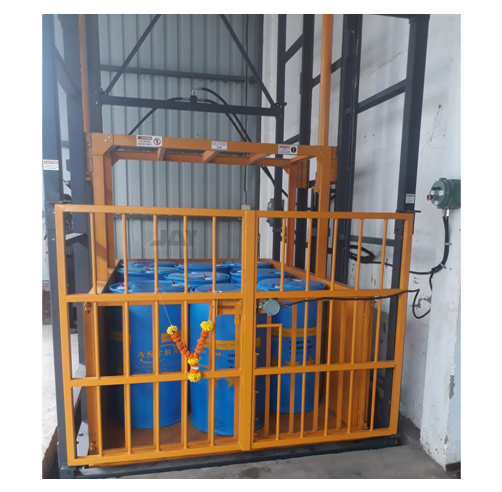
5 Ways a Lifting Platform Improves Workplace Productivity
Introduction
In industrial and commercial environments, efficiency and productivity are critical to business success. A lifting platform, also referred to as 升降台, plays a key role in optimizing workflow, reducing labor strain, and improving overall operational output. By automating the process of lifting and moving heavy materials, a lifting platform allows workers to focus on more value-added tasks. This article explores five ways a lifting platform can enhance workplace productivity.
1. Reducing Manual Labor and Physical Strain
One of the most immediate benefits of using a 升降台 is the reduction in manual labor. Employees no longer have to lift or carry heavy loads repeatedly, which minimizes physical strain and fatigue. Manual lifting can lead to slower work, errors, or injuries that disrupt operations. By handling heavy materials mechanically, a lifting platform allows workers to perform tasks more efficiently and safely, keeping productivity consistently high.
For example, in warehouses or logistics centers, lifting platforms can move boxes, pallets, or equipment between floors quickly. This reduces the time workers spend moving materials manually, allowing them to focus on organizing, sorting, or preparing shipments without interruption.
2. Streamlining Material Handling
Efficient material handling is a major contributor to workplace productivity. A lifting platform enables the smooth vertical movement of goods, equipment, or products between different levels. Whether it is raising a pallet to a high storage shelf or lowering machinery to a workbench, a 升降台 makes the process faster and more reliable.
Streamlined material handling reduces bottlenecks in workflow. Employees no longer need to wait for assistance or equipment to move materials manually. This creates a continuous flow of work, enhancing the speed and efficiency of operations across the facility.
3. Enhancing Accuracy and Precision
A lifting platform allows operators to position materials precisely at the desired height, which improves accuracy in assembly, manufacturing, or storage processes. Unlike manual lifting, which can be imprecise and inconsistent, a 升降台 provides stable, controlled movement.
For industries that require careful placement of heavy machinery, components, or products, the precision offered by a lifting platform reduces errors and rework. This directly translates into higher productivity, as tasks are completed correctly the first time, minimizing waste and avoiding delays.
4. Saving Time in Operations
Time is a valuable resource in any workplace. Using a lifting platform speeds up operations by reducing the time needed for lifting, transporting, and positioning materials. Mobile or adjustable platforms can move between workstations quickly, eliminating the need for multiple employees or additional equipment.
For example, in manufacturing facilities, a lifting platform can transport raw materials from storage areas to production lines within minutes. In construction sites, heavy materials can be moved to elevated levels safely and efficiently. The cumulative time savings across multiple tasks significantly boosts overall workplace productivity.
5. Improving Worker Morale and Reducing Fatigue
A productive workplace is also a healthy and motivated one. Heavy manual lifting can cause fatigue, stress, and injuries, which negatively impact morale and efficiency. By introducing a 升降台, businesses reduce physical strain, enabling employees to work comfortably and focus on their core responsibilities.
Employees who are less fatigued can maintain higher concentration levels, work more efficiently, and complete tasks faster. Reduced injury rates also mean fewer interruptions due to employee absences, contributing to a more consistent workflow and overall productivity gains.
Additional Considerations for Maximum Productivity
To fully benefit from a lifting platform, businesses should consider the following:
- Training: Ensure operators are trained to use the platform safely and efficiently. Proper use maximizes performance and minimizes downtime.
- Maintenance: Regular inspection and maintenance keep the 升降台 in optimal condition, preventing unexpected breakdowns that can disrupt workflow.
- Customization: Select platforms with adjustable heights, mobile features, or specific load capacities to match the unique needs of your operations.
- Safety Features: Incorporate guardrails, emergency stops, and overload protection to ensure safe operation, which indirectly improves productivity by reducing accidents.
Conclusion
A 升降台 is a powerful tool for improving workplace productivity. By reducing manual labor, streamlining material handling, enhancing precision, saving time, and improving worker morale, lifting platforms contribute to a safer, more efficient, and more productive work environment. Investing in the right lifting platform not only optimizes workflow but also ensures long-term benefits for employees and the business as a whole.